How to Become a Freight Broker in 2026: Complete Step-by-Step Guide
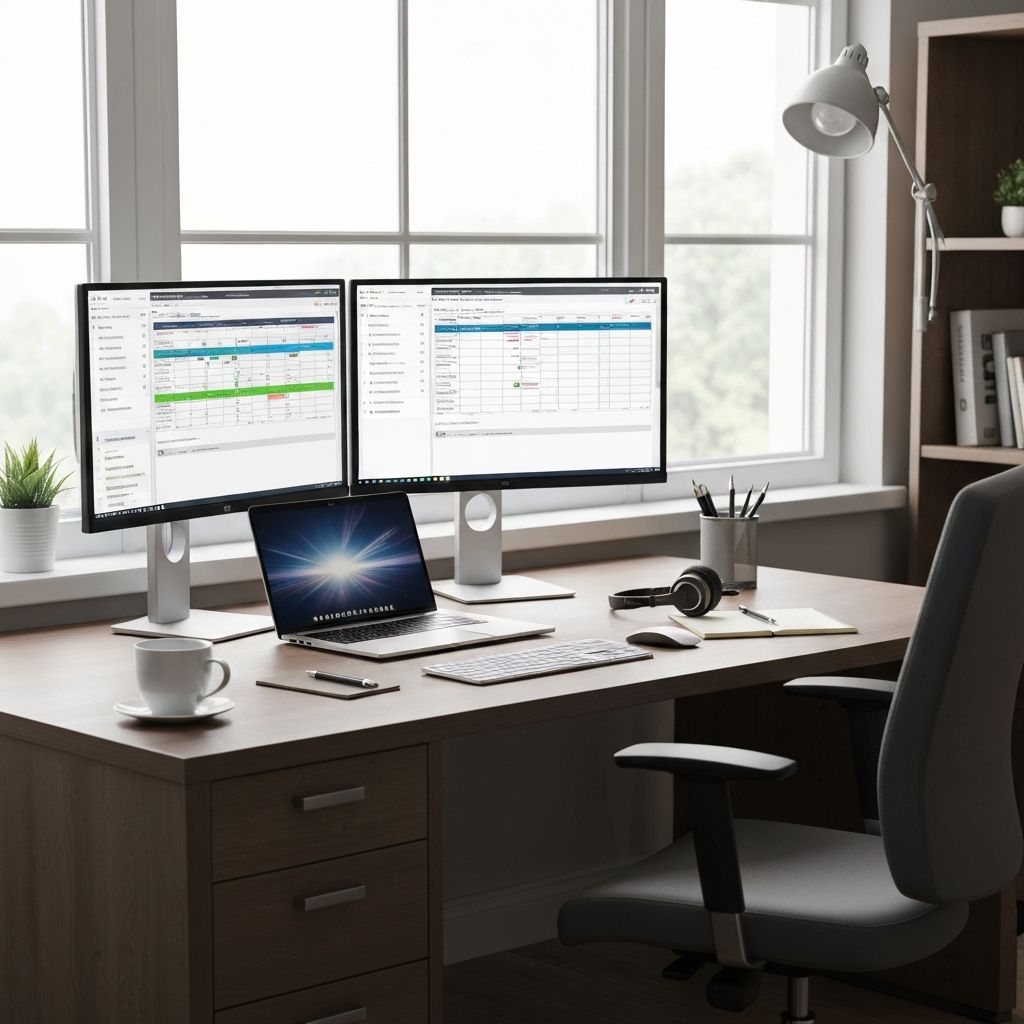
The freight brokering industry is booming in 2026. With over 3.5 million truck drivers in the U.S. and an ongoing driver shortage exceeding 80,000, there has never been a better time to start a freight brokering career. This comprehensive guide will show you exactly how to become a freight broker, even if you have zero experience in the trucking industry.
1. What is a Freight Broker?
A freight broker is a licensed intermediary who connects shippers (companies with freight) to carriers (trucking companies) that haul it. The broker sells capacity to shippers, sources and vets carriers, and earns the margin, the spread between the shipper rate and the carrier rate. Brokers must hold FMCSA broker authority (an MC number) and a $75,000 BMC-84 surety bond.
A freight broker is a licensed third party that arranges the transportation of freight between shippers (the businesses that have goods to move) and carriers (the trucking companies that move them). The broker never touches the freight - they coordinate it, take responsibility for getting it covered, and get paid the margin on every load.
As a broker, your primary responsibilities include:
- Prospecting and winning shipper accounts that have freight to move
- Quoting lanes and negotiating rates that protect a healthy margin
- Sourcing and vetting carriers on load boards (DAT, Truckstop) and FMCSA SAFER
- Handling paperwork including rate confirmations, BOLs, and carrier agreements
- Communicating with shippers and carriers about pickup and delivery schedules
- Tracking loads, preventing fraud, and troubleshooting issues in transit
The beauty of freight brokering is that you can do it from anywhere with a computer, phone, and internet connection. Many brokers work from home, enjoying the flexibility of setting their own hours while building a lucrative income stream.
2. 2026 Freight Market Outlook
Yes. 2026 is one of the strongest entry points in years. After the 2022-2023 freight recession, carrier exits have tightened capacity and spot rates are rising off their lows, which widens broker margins. Shippers increasingly want reliable, tech-enabled brokers, so those who build shipper and carrier relationships now are well positioned for the rest of the cycle.
Timing matters in trucking, and 2026 is shaping up to be one of the most favorable years to enter brokering in over a decade. After the brutal freight recession of 2022-2023 - when spot rates collapsed from roughly $3.50/mile to near $2.00/mile and tens of thousands of carriers went under - the market has flipped. Here is what new brokers need to understand about the current cycle:
Tightening
Capacity
Years of carrier exits and stricter enforcement have pulled trucks off the road, giving the trucks that remain more pricing power.
Rising
Spot Rates
Spot rates have been climbing off recession lows, which widens the spread between shipper and carrier rates - your margin.
80,000+
Driver Shortage
The ongoing driver shortage keeps capacity tight, so shippers rely on brokers to find trucks when their core carriers run out.
Shrinking
Quote Windows
In a rising market, good rates disappear in minutes. Fast, decisive brokers win the best loads.
What this means for you: In a tightening market, carriers can be choosy, so the brokers who win are the ones who pay fairly, pay fast, and have real relationships. The same conditions reward speed and discipline - re-checking lane rates daily, separating fuel surcharge from linehaul, and locking in dedicated lanes with reliable shippers before the cycle turns again.
Reality check: Freight is cyclical. The market will eventually soften again. The brokers who survive downturns are the ones who built strong shipper and carrier relationships and banked profits during the good years. Treat 2026 as the time to establish yourself, not to assume the boom lasts forever.
3. Freight Dispatcher vs. Freight Broker: Key Differences
One of the most common questions we get is about the difference between a freight dispatcher and a freight broker. They are often confused, but they are legally and financially very different roles. Understanding the distinction is crucial because it affects your startup costs, legal requirements, and business model.
| Factor | Freight Dispatcher | Freight Broker |
|---|---|---|
| Works For | Carriers (truck drivers) | Shippers (companies with freight) |
| Federal License Required | No | Yes (MC Authority) |
| Surety Bond | Not required | $75,000 BMC-84 required |
| Startup Cost | $200-$500 | $4,000-$12,000+ |
| Liability | Low (agent of carrier) | High (responsible for the freight) |
| Income Model | % of load or flat fee per truck | Margin between shipper/carrier rate |
Key Takeaway: Dispatching has a lower barrier to entry, but freight brokering is a bigger business with higher earning potential. A broker controls the shipper relationship and keeps the full margin on every load - which is why brokers must carry FMCSA authority and a surety bond. This guide is about becoming a licensed freight broker.
4. Requirements to Become a Freight Broker
To operate legally, a freight broker must register a business, obtain FMCSA broker authority (an MC number, ~$300), file a $75,000 BMC-84 surety bond (or BMC-85 trust), designate process agents via form BOC-3, and carry contingent cargo and general liability insurance. You also need a computer, phone, a load board subscription, and a TMS to run the business.
Becoming a freight broker is very achievable, but unlike dispatching it does require federal licensing. Here is what you actually need:
Legal & Licensing Requirements
- Business registration (LLC recommended for liability protection) - $50-$500 depending on state
- FMCSA Broker Authority (MC number) via the OP-1 application - $300 one-time
- $75,000 BMC-84 surety bond (annual premium typically $900-$2,500) or BMC-85 trust
- BOC-3 process agent filing - around $50
- EIN from the IRS (free) and a business bank account
- Contingent cargo & general liability insurance
What You Do NOT Need
- ✕CDL (Commercial Driver's License) - not required
- ✕Your own trucks or warehouse - brokers never touch the freight
- ✕College degree - no formal education required
- ✕Prior trucking experience - helpful but not necessary
Skills That Help You Succeed
- Sales skills - you will be prospecting shippers and winning accounts
- Negotiation - quoting shippers and buying carrier capacity to protect your margin
- Basic math - calculating margin, rates per mile, and accessorial costs
- Organization - tracking many loads, shippers, and carriers simultaneously
- Problem-solving - handling detention, fall-throughs, claims, and fraud prevention
- Persistence - building a book of shipper business takes consistent outreach
5. Startup Costs Breakdown
Brokering has a low startup cost compared with buying trucks, but it does carry real licensing costs. Here is a realistic breakdown of what you will spend to get started:
One-Time Costs
Monthly Costs
Bottom Line: You can realistically launch a licensed brokerage for roughly $4,000-$12,000 to start (authority, bond, registration, software) plus $150-$400 per month in operating expenses. It is far cheaper than buying a truck, and you should also keep working capital on hand to pay carriers before your shippers pay you.
6. Income Potential: How Much Can You Earn?
Freight brokers earn the margin between the shipper rate and the carrier rate, typically 12-15% per load (around $250-$350 on a $2,400 load). Entry-level brokers covering a few loads a week earn $2,500-$4,500 per month, those covering 8-12 loads a week earn $6,000-$13,000, and high-volume brokers covering 20+ loads a week earn $15,000-$25,000+ monthly in gross margin.
Freight broker income varies significantly based on experience, the volume of loads you cover, and the margin you hold. Here is what the data shows for 2026:
Entry Level
2-4 loads/week
$2,500-$4,500/mo
Intermediate
8-12 loads/week
$6,000-$13,000/mo
Advanced
20+ loads/week
$15,000-$25,000+/mo
How Broker Margin Works
Brokers make money on the spread between what the shipper pays and what the carrier is paid. There are two common ways to think about it:
- Percentage Margin (12-15% of the shipper rate)
On a $2,400 load at a 14% margin you keep about $336 and pay the carrier ~$2,064. Cover 10 of those a week and that is roughly $3,360/week.
- Flat Spread ($250-$350 per load)
A predictable dollar margin per load, common on committed lanes. 10 loads/week at $300 = $3,000/week in gross margin.
Source: BLS Occupational Employment Statistics 2026, Indeed Salary Data, and Broker Pro Academy student surveys (n=847).
7. Step-by-Step Roadmap (4 Weeks)
Licensing takes a few weeks to process, so think of this as a roadmap to launch. Here is a proven plan to go from complete beginner to operating freight broker:
Learn the Fundamentals
- Complete a freight broker training course
- Learn freight industry terminology (BOL, POD, deadhead, accessorials, etc.)
- Understand the difference between brokers, dispatchers, shippers, and carriers
- Set up your home office workspace
Set Up & License Your Business
- Register your LLC and get an EIN from the IRS (free)
- File the FMCSA OP-1 application for broker authority (MC number)
- Secure your $75,000 BMC-84 surety bond and file your BOC-3 process agents
- Open a business bank account and line up working capital to pay carriers
- Set up load board, TMS, and carrier-vetting accounts
Win Your First Shippers
- Build a target list of shippers in a niche/region
- Practice your pitch using proven scripts
- Reach out to 20-30 shippers per day (calls, email, LinkedIn)
- Quote lanes and book your first loads at a healthy margin
- Land your first 1-3 shipper accounts
Build Carrier Capacity & Scale
- Master DAT and load board sourcing
- Vet and build relationships with reliable carriers on your lanes
- Implement systems for tracking many loads and margins
- Ask satisfied shippers for referrals
- Work toward 8-10+ loads per week
8. How to Find Your First Shipper Customers
Landing your first shippers is the single hardest part of starting a brokerage - and the step where most beginners stall. The good news: you do not need a marketing budget. You need consistency and a system. Here are the channels that actually produce signed shippers in 2026:
Targeted Cold Calling & Email
Build a list of shippers in a niche or region (manufacturers, distributors, growers) and reach the logistics or traffic manager. Lead with a specific lane you can cover, not a generic pitch.
LinkedIn & Industry Associations
Logistics and supply-chain managers are active on LinkedIn and in trade groups. Connect, share useful lane and capacity insights, and ask for a shot at a problem lane.
Niche Down on a Lane or Commodity
It is far easier to win shippers when you are the specialist in reefer produce out of a region, or flatbed in a metro. Depth beats breadth when you are starting out.
Referrals From Happy Shippers
Logistics managers move companies and talk to peers. One shipper you serve well will refer others - and other departments inside the same company. Always ask once you have proven yourself.
The trial-lane close: Shippers are skeptical of brokers they have never worked with. Ask for one problem lane or an overflow load to prove yourself - cover it flawlessly with proactive tracking, and you earn the chance to quote the rest of their freight.
9. Protecting Yourself From Freight Fraud in 2026
Freight fraud has exploded into a cyber-enabled, organized operation. Fraud rings now spoof broker identities, set up fake carriers, and double-broker loads at scale. A single double-brokered load can leave you paying twice and exposed to a cargo claim. Vetting every carrier before you tender a load is part of your job - and a major reason shippers trust an established broker. Here is the verification workflow every broker should follow:
Verify the carrier on FMCSA SAFER
Confirm the carrier's MC/DOT is active, in 'authorized' status, and has its own equipment and insurance on file. Brand-new authorities and recently reactivated numbers deserve extra scrutiny.
Call the number on file, not the one offered
Look up the carrier's phone on SAFER or your vetting tool and call THAT number. Fraudsters spoof real carrier names with their own phone and email - compare the email domain character-by-character.
Check for double-brokering red flags
Be suspicious of carriers that accept any rate instantly, refuse to share truck/driver info, or whose pickup location does not match their address. Confirm the actual truck and driver at pickup.
Run a real-time fraud and insurance check
Use Highway, Carrier411, or RMIS to confirm active cargo/liability insurance and watch for identity-theft flags before you tender the load.
Use a no-re-brokering clause and clear pay terms
Your carrier agreement should prohibit re-brokering and define how and when carriers are paid. If a carrier stalls on signing, walk away.
The golden rule of fraud prevention
Never trust contact information that arrives WITH the opportunity. The posting, the email, the inbound call - all can be spoofed. Always verify through an independent channel you looked up yourself. Ten minutes of verification beats six months of chasing a stolen load.
10. Essential Tools and Software
Here are the tools you will need to run a successful brokering operation:
DAT One/Power
Load board
$45-$149/mo
Recommended123Loadboard
Load board (beginner-friendly)
$35/mo
RecommendedGoogle Voice
Business phone number
Free
RecommendedGoogle Sheets
Tracking/invoicing
Free
RecommendedTai / Tabi TMS
Broker TMS software
$0-$150/mo
Highway / Carrier411
Carrier vetting & fraud checks
$35+/mo
11. Common Mistakes to Avoid
Based on training thousands of brokers, here are the most common mistakes beginners make:
Not vetting carriers before tendering a load
Double-brokered freight, cargo claims, and paying twice
Solution: Verify every carrier on FMCSA SAFER plus a tool like Highway or Carrier411 before booking. Confirm the actual truck and driver at pickup.
Booking freight without a signed rate confirmation
Disputes with shippers or carriers over the agreed rate and terms
Solution: Never tender a load without a signed rate con and a signed carrier agreement. Email confirmation at minimum.
Quoting margins too thin to survive
Working hard on every load while barely covering costs and claims risk
Solution: Target a healthy margin (often 12-15%) and price for the risk. Cheap freight is not worth the exposure.
Running out of working capital
You owe carriers in 15-30 days but shippers may pay you in 30-60
Solution: Keep cash reserves or use factoring/quick-pay so you can pay carriers on time and protect your reputation.
Letting your bond or authority lapse
FMCSA can revoke your operating authority, shutting the business down
Solution: Keep your $75,000 BMC-84 bond, insurance, and biennial MCS-150 update current at all times.
12. Frequently Asked Questions
Can I be a freight broker with no experience?
Yes! Many successful brokers started with zero trucking experience. The key is getting proper training and being willing to learn. Your communication and negotiation skills matter more than industry background.
How long does it take to get my first shipper?
Most new brokers land their first shipper within a few weeks to a couple of months of consistent outreach, on top of the time it takes FMCSA to grant your authority. Consistency is key—prospecting 20-30 shippers daily and niching down on a lane speeds things up.
Do I need to work specific hours?
Mostly business hours. Freight moves around the clock, but shippers and carriers expect you reachable during the workday, and problems (late trucks, detention) can happen anytime. Many brokers still enjoy the flexibility of working from home.
Is freight brokering saturated?
It is competitive, but there is room for brokers who specialize and deliver reliable service. With trillions of dollars of freight moving each year and shippers consolidating to brokers they trust, the operators who niche down and prevent fraud keep winning business.
Can I do this part-time?
It is harder than dispatching part-time because shippers and carriers expect daytime responsiveness, but some brokers start with a handful of loads a week while keeping a day job, then go full-time once they have steady shipper accounts.
How much do freight brokers make in 2026?
Brokers earn the margin between the shipper and carrier rate—typically 12-15% per load. Entry-level brokers covering a few loads a week earn $2,500-$4,500/month, mid-level brokers covering 8-12 loads a week earn $6,000-$13,000/month, and high-volume brokers covering 20+ loads a week earn $15,000-$25,000+/month in gross margin. Tighter 2026 capacity and rising spot rates have widened margins versus the 2022-2023 downturn.
Do freight brokers need a license or bond in 2026?
Yes. To operate legally you must obtain FMCSA broker authority (an MC number via the OP-1 application, ~$300), file a $75,000 BMC-84 surety bond (or BMC-85 trust), and designate process agents with form BOC-3. You also register your business and carry contingent cargo and liability insurance. (Freight dispatchers, who work for carriers, do not need this licensing—that is a different role.)
How do I protect myself from double brokering and freight fraud?
Vet every carrier before tendering a load: confirm the MC/DOT is authorized on FMCSA SAFER, call the number on file (never the one offered), check insurance and identity-theft flags with a tool like Highway or Carrier411, confirm the actual truck and driver at pickup, and use a carrier agreement that prohibits re-brokering. Never trust contact information that arrives with the offer.
Is it too late to become a freight broker in 2026?
No - 2026 is one of the strongest entry points in years. Capacity has tightened after waves of carrier exits, spot rates are rising off recession lows, and a persistent driver shortage keeps shippers leaning on brokers for capacity. Brokers who establish shipper and carrier relationships now are well positioned for the rest of the cycle.
Ready to Start Your Brokering Career?
Get the complete training course with step-by-step instructions, ready-to-use scripts, contract templates, and our resource directory.
Get the Full Course - Only $39
Written by
Michael Rivera
Michael is a freight broker and dispatch trainer with 10+ years of experience in 3PL freight brokering and over $5 million in freight successfully moved. He has trained 2,800+ students through Broker Pro Academy.